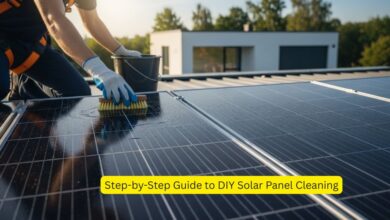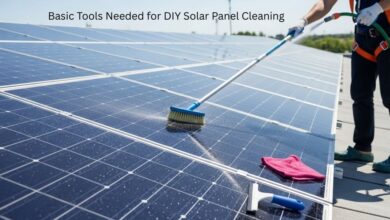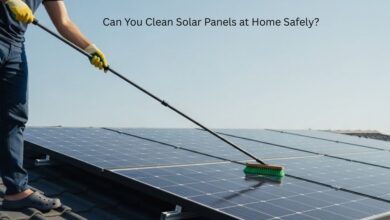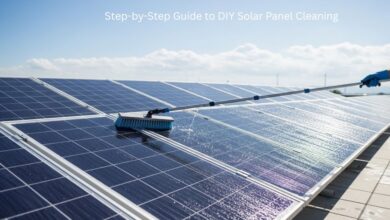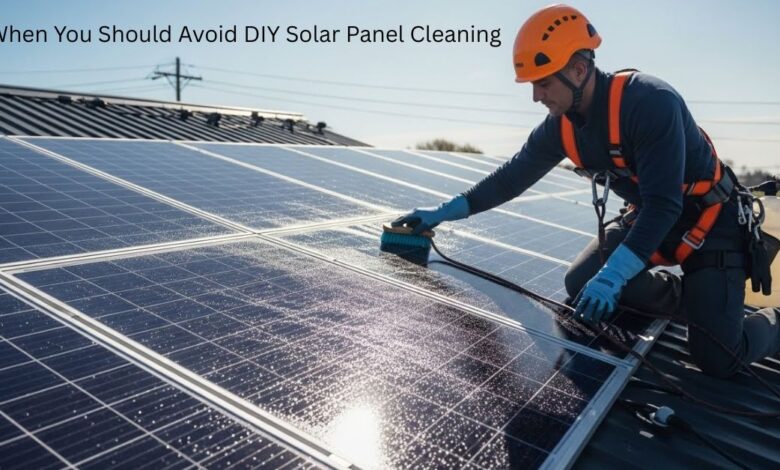
Solar panels are a fantastic investment for reducing electricity bills and contributing to a greener planet. However, like any piece of equipment, they require maintenance to function efficiently. One key maintenance task is cleaning. While many homeowners are tempted to clean solar panels themselves, there are certain situations where DIY cleaning can do more harm than good. Understanding when to avoid DIY solar panel cleaning is crucial for safety, longevity, and efficiency.
1. Safety Hazards Make DIY Risky
Working at Heights
Most residential solar panels are installed on rooftops. Cleaning panels on a roof without proper equipment or experience is extremely risky. Falls from rooftops are one of the leading causes of household injuries. Even if the panels are low to the ground, sloped or slippery surfaces can pose significant danger.
Electrical Risks
Solar panels generate electricity, and touching them while wet or handling wiring incorrectly can lead to electrical shocks. DIY cleaners may not be aware of the precautions needed when working around live electrical systems.
Tip: If you’re unsure about your ability to safely access your solar panels, it’s better to hire professional cleaners who are trained and insured.
2. Extreme Weather Conditions
Hot and Sunny Days
Solar panels can become extremely hot during sunny days. Cleaning them under such conditions can not only be unsafe but can also cause thermal shock. Sudden exposure to cool water on hot glass panels can crack or damage them.
Rainy or Stormy Weather
Avoid cleaning during rain or storms. Wet, slippery surfaces increase fall risk, and there’s no point cleaning panels that will immediately get dirty again due to rain, dust, or debris.
3. Fragile or Damaged Panels
Age and Wear
Older solar panels may have micro-cracks, scratches, or loose seals. Using abrasive brushes, strong detergents, or excessive pressure can worsen existing damage.
High-Quality Panels with Special Coatings
Many modern solar panels have anti-reflective or hydrophobic coatings. DIY cleaners often use inappropriate tools or cleaning solutions that may strip or damage these coatings, reducing panel efficiency.
4. Improper Cleaning Techniques
Using Harsh Chemicals
Household detergents, bleach, or abrasive cleaning agents can corrode panels, damage seals, or leave residues that attract more dirt.
Wrong Tools
Scrubbing with rough brushes, squeegees with metal edges, or high-pressure washers can scratch or shatter panels. Professional cleaners use soft, non-abrasive tools and purified water to avoid residue and damage.
Risk of Water Spots
Using hard water from taps can leave mineral deposits on panels, reducing their efficiency. Professionals often use deionized or filtered water to ensure streak-free cleaning.
5. High Cost of Mistakes
Even a small mistake during DIY cleaning can lead to expensive repairs. A cracked panel, damaged wiring, or stripped coating can cost hundreds or even thousands to replace. Often, professional cleaning services are a safer investment when considering the potential cost of mistakes.
6. Signs You Should Definitely Hire Professionals
- Your panels are on a steep or high roof.
- There are visible cracks, scratches, or loose panels.
- Panels are heavily soiled with bird droppings, moss, or tree sap.
- You live in an area with extreme heat, frequent storms, or dusty conditions.
- You are unsure of safe access or proper cleaning methods.
Conclusion
While DIY solar panel cleaning can save money, it is not always the safest or most effective option. Situations involving height, fragile panels, extreme weather, or improper cleaning techniques are best handled by trained professionals. Prioritizing safety, efficiency, and the longevity of your solar panels will ensure they continue to provide clean, cost-effective energy for years to come.
SEO Tip: Consider combining DIY cleaning for minor dust removal with professional cleaning for heavy dirt or hard-to-reach panels. This hybrid approach balances cost-effectiveness and safety.