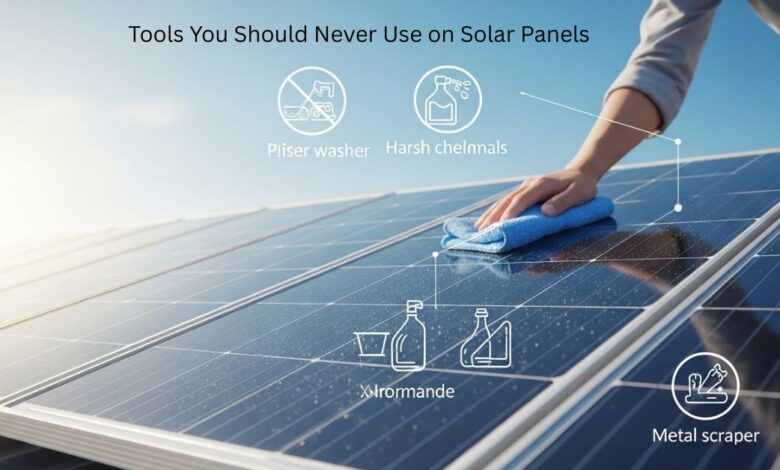
Solar panels are a significant investment for both residential and commercial properties. They are designed to be durable, yet they remain sensitive to harsh cleaning techniques or improper maintenance. Using the wrong tools can cause scratches, reduce efficiency, or even permanently damage the panels. To help you protect your solar investment, this article explores the tools you should never use on solar panels and why.
1. Pressure Washers
Why to avoid:
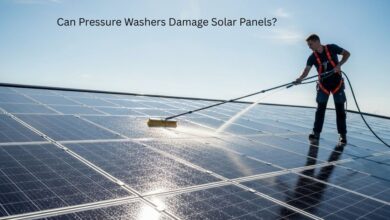
High-pressure washers might seem like an efficient way to clean solar panels, but they can exert too much force on the glass surface. This can cause micro-cracks, dislodge seals, or even break the panel entirely. Solar panels are designed to handle environmental elements, but sudden high-pressure water jets are far beyond their tolerance.
Safer alternative:
Use a gentle stream of water from a hose, preferably with a soft spray nozzle.
2. Abrasive Scrubbers and Brushes
Why to avoid:
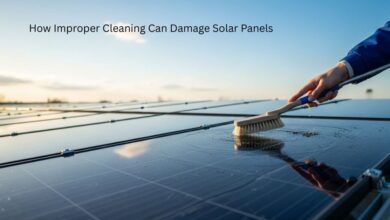
Scrubbing with steel wool, hard-bristle brushes, or abrasive sponges can scratch the surface of the panel. Scratches not only reduce the panel’s aesthetic appeal but also decrease its efficiency by obstructing sunlight absorption.
Safer alternative:
Soft microfiber cloths or sponges are ideal for cleaning solar panels without causing damage.
3. Harsh Chemicals and Solvents
Why to avoid:
Avoid using chemicals such as bleach, ammonia, acetone, or other strong solvents. These substances can degrade the anti-reflective coating of the solar panels, leading to reduced energy output and potential long-term damage.
Safer alternative:
Use mild, eco-friendly detergents mixed with water if necessary. Avoid strong cleaners unless explicitly recommended by the manufacturer.
4. Metal Scrapers or Sharp Objects
Why to avoid:
Using knives, metal scrapers, or other sharp objects to remove debris or ice is extremely dangerous. This can scratch the glass, puncture protective layers, and create hotspots that compromise performance.
Safer alternative:
A soft brush or a rubber squeegee is sufficient for removing light debris or frost.
5. High-Temperature Tools
Why to avoid:
Tools that generate heat, such as steam cleaners or heat guns, should never be used on solar panels. Excessive heat can warp the panel materials, damage electrical components, and void the manufacturer’s warranty.
Safer alternative:
Clean panels with lukewarm or cool water, especially on hot days, to avoid thermal shock.
6. Household Vacuum Cleaners
Why to avoid:
While it may be tempting to use a vacuum cleaner to remove dust, most vacuums are not designed for outdoor solar panels. The suction may be too strong, potentially dislodging fragile components, and the brushes may scratch the surface.
Safer alternative:
A soft, handheld brush or a leaf blower with adjustable airflow is a safer choice for dust removal.
Tips for Safe Solar Panel Cleaning
- Check the manufacturer’s instructions: Always follow the recommended cleaning methods for your specific solar panel model.
- Avoid cleaning in direct sunlight: Panels are hot during peak sun hours, and water can evaporate too quickly, leaving streaks or thermal stress.
- Use a soft water source: Tap water may contain minerals that leave deposits; distilled water is ideal.
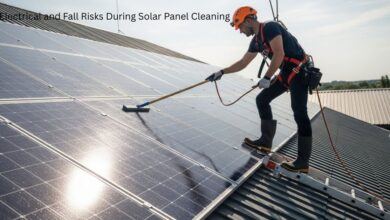
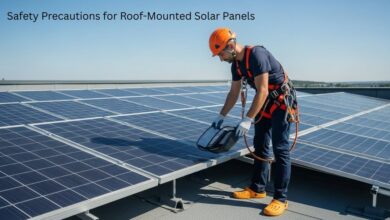
- Work safely: If panels are on the roof, use proper safety harnesses or hire professionals.
Conclusion
Solar panels are durable, but they are not indestructible. Using the wrong tools can lead to scratches, chemical damage, and decreased energy efficiency. Avoid pressure washers, abrasive scrubbers, harsh chemicals, metal scrapers, high-temperature tools, and household vacuums. Instead, rely on soft cloths, mild detergents, and gentle water streams to keep your panels clean and efficient.
By using the correct tools and methods, you can prolong the lifespan of your solar panels and ensure optimal energy output while protecting your investment.