Is Solar Panel Cleaning Worth the Cost? A Complete Guide (2025)

Solar energy has become one of the fastest-growing renewable energy sources worldwide. Homeowners and businesses alike are embracing solar panel systems to reduce electricity bills and minimize environmental impact. However, one question often arises: Is solar panel cleaning worth the cost? In this article, we’ll explore the value of cleaning solar panels, backed by research, expert insights, and practical considerations.
Introduction
Solar panels are designed to absorb sunlight and convert it into electricity. However, dirt, dust, bird droppings, pollen, and smog can reduce their efficiency over time. This has led many solar system owners to ask whether regular cleaning is a worthwhile investment. The short answer is: Yes—under certain conditions. But to fully understand the return on investment (ROI), we need to explore the science, costs, benefits, and best practices behind solar panel cleaning.
Why Solar Panel Cleaning Matters
1. Performance and Energy Output
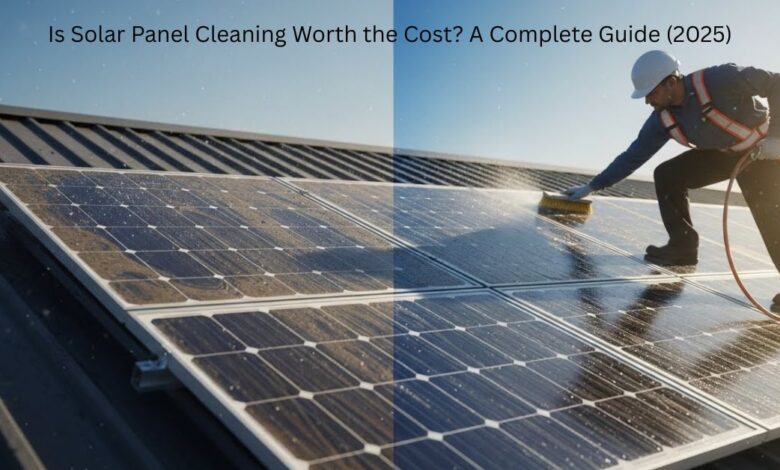
Solar panel efficiency declines when panels become dirty. According to studies, soiling losses can range from 5% to 20% depending on the environment—and in some harsh conditions, losses can exceed 30%. Clean solar panels maintain better access to sunlight, directly improving energy production.
Dirty panels reduce how much sunlight reaches photovoltaic cells, which directly affects the electricity your system generates. Over time, this can significantly reduce the total output of your solar investment.
2. Economic Impact
When panels produce less energy, you may see smaller savings on your electricity bill. Since solar systems are expensive to install, optimizing output earns back your investment faster.
For example, if your solar panels underperform by 10% due to dirt, the value of lost energy over months and years adds up. In areas with higher electricity rates, this loss becomes more expensive.
3. Warranty and Longevity
Some solar panel warranties require regular maintenance—including cleaning—to remain valid. Ignoring maintenance could void parts of the warranty and shorten the lifespan of your equipment.
How Much Does Solar Panel Cleaning Cost?
The cost of cleaning solar panels varies by region, system size, accessibility, and local market rates. Typical price ranges in the industry (as of 2025) are:
- Residential systems: $120 – $350
- Commercial/large systems: $300 – $800+
- DIY cleaning kits: $50 – $150
Remember, these are average ranges; prices can fluctuate widely.
Benefits vs. Costs: Is It Worth It?
To determine whether panel cleaning is worth the cost, consider the following:
1. Location and Environment
Solar panels in dusty regions (near deserts, dry seasons, construction sites) usually accumulate more debris. In such areas, cleaning can significantly improve performance. Conversely, rainy climates with frequent natural washing may need less attention.
2. Tilt and Roof Angle
Panels mounted at low angles accumulate more dust and debris than steeply tilted ones. If your system has shallow angles, it may benefit more from manual cleaning.
3. System Size and Output Drop
If your solar system generates thousands of kilowatt-hours annually, even a small efficiency improvement translates into more energy produced—boosting savings.
4. Long-Term Savings
Regular cleaning may help maintain system performance in peak condition. Over 10–25 years of operation, this can mean significant additional energy production and financial benefit.
When DIY Solar Panel Cleaning Works
If your panels are easy to access and relatively clean, a DIY cleaning approach can be effective and cost-efficient. Using:
- Soft brushes
- Mild soap
- A hose with gentle water flow
However, ensure you follow safety precautions—working on roofs is dangerous without proper gear and expertise.
When to Hire Professionals
Professional cleaners bring expertise, safety equipment, and specialized tools such as:
- Pure water systems
- Telescopic rotating brushes
- Safety harnesses
Hire professionals when:
- Panels are on steep or high roofs
- Strong buildup exists (bird droppings, smog)
- You’re unsure how to clean safely
Tips to Maximize ROI on Solar Panel Cleaning
1. Monitor Performance Regularly
Track your solar output monthly through your monitoring system. If you notice consistent underperformance during sunny periods, it may be time to clean.
2. Schedule Seasonal Cleanings
Consider cleaning panels at the end of dry seasons or before high-production months to maximize energy yield.
3. Keep Records
Track cleaning dates, costs, and output changes. This helps you evaluate whether cleaning increases performance meaningfully over time.
Common Myths About Solar Panel Cleaning
Myth #1: Rain is Enough
While rain helps remove some dust, it rarely removes sticky residue or bird droppings—especially in polluted or arid regions.
Myth #2: Cleaning Damages Panels
If done correctly—gently and without harsh chemicals—cleaning does not harm solar panels. In fact, it protects efficiency.
Conclusion: Is Solar Panel Cleaning Worth It?
The answer is yes, in many—but not all—cases. Solar panel cleaning is worth the cost when:
✔ Dirt buildup significantly reduces energy output
✔ You live in a dusty, polluted, or dry environment
✔ Your panels are hard to clean naturally (low tilt/flat roofs)
✔ You want to maximize long-term ROI
However, simple monitoring and occasional DIY cleaning may suffice for many homeowners.
Ultimately, choosing the right cleaning schedule and method ensures your solar investment pays off—and keeps your energy clean and efficient for years.
FAQ (Frequently Asked Questions)
Q: How often should I clean my solar panels?
A: Typically 1–2 times per year, or more in dusty environments.
Q: Will cleaning increase my output immediately?
A: If buildup is significant, yes—many owners see measurable improvement.
Q: Is professional cleaning expensive?
A: It varies, but the energy gains often justify the cost over time.