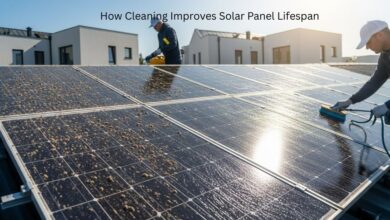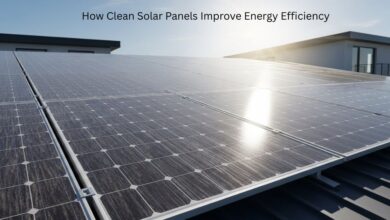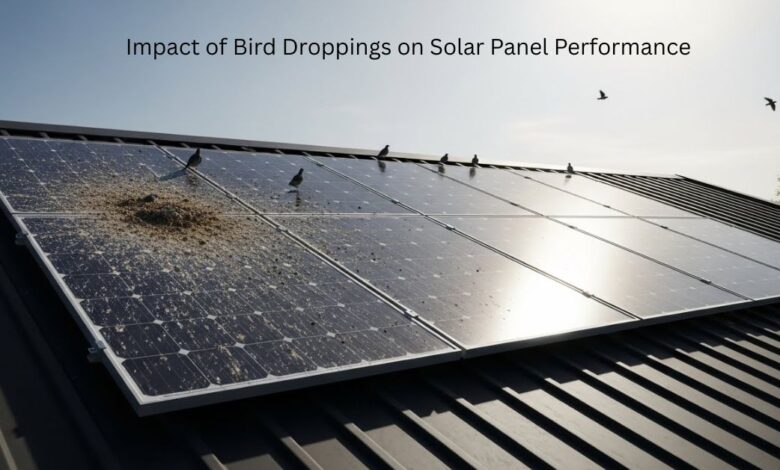
Solar energy adoption has surged worldwide as homeowners, businesses, and utilities leverage sunlight to generate clean power. Solar panels are designed to operate efficiently for decades with minimal maintenance. However, one often-overlooked challenge in maintaining peak performance is the accumulation of bird droppings. Though seemingly insignificant, bird feces can significantly affect solar panel output, longevity, and overall return on investment. This article explores how bird droppings impact solar panel performance and what can be done to mitigate their effects.
1. How Solar Panels Generate Power
Before we discuss the impact of bird droppings, it’s important to understand how solar panels work. Photovoltaic (PV) solar panels convert sunlight into electricity using semiconducting materials. For optimal performance, solar cells require direct exposure to solar radiation. Anything obstructing sunlight reduces energy production.
2. What Happens When Bird Droppings Land on Solar Panels
Bird droppings are a mix of uric acid, fats, and other organic matter that create opaque and sticky residues once dry. When these residues land on solar panels, they cause:
a. Shading of Solar Cells
Even small amounts of shading can reduce energy output. This is due to the way solar cells are connected in series within a panel — shaded areas can limit the current flow of an entire string of cells.
b. Reduced Solar Absorption
Bird droppings block sunlight from reaching the photovoltaic surface. The denser and larger the droppings, the greater the drop in energy generation. Studies have shown that localized shading of up to a few percent can lead to disproportionately larger performance losses.
c. Hot Spots and Long-Term Damage
When bird droppings block sunlight, affected cells can heat up relative to the rest of the panel, causing “hot spots.” Over time, hot spots may degrade the solar cells and materials, accelerating wear and reducing the panel’s lifespan.
3. Quantifying the Performance Loss
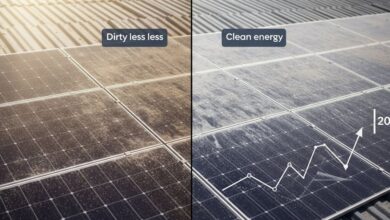
The exact performance impact varies by location, panel type, and amount of soiling. However, several studies and field observations suggest:
- Light soiling (few droppings) may reduce output by 5–10%.
- Moderate accumulation (frequent bird activity) can lead to 10–25% or greater losses.
- In extreme cases, heavily soiled panels may operate 30% or less than their optimal capacity.
These figures emphasize that even small obstructions can disproportionately affect performance due to how solar cells are interconnected.
4. Additional Consequences Beyond Power Loss
Beyond reduced energy generation, bird droppings can lead to:
a. Increased Cleaning and Maintenance Costs
Removing bird droppings safely requires careful cleaning to avoid damaging panels. Frequent cleaning increases maintenance costs over time.
b. Corrosion and Surface Degradation
The acidic nature of bird droppings can etch into glass and sealants if left for prolonged periods. Over time, this can degrade anti-reflective coatings and panel surfaces.
c. Attraction of More Birds
Droppings may attract more birds, leading to recurring soiling and potential nesting under arrays — which can exacerbate performance issues.
5. Best Practices to Mitigate Bird Dropping Impact
Several effective strategies can help reduce the impact of bird droppings on solar panels:
a. Regular Cleaning Schedules
Establish a routine maintenance and cleaning schedule. Frequency should depend on bird activity and local conditions.
b. Install Bird Deterrents
Physical deterrents like spikes, netting, or slope extensions at panel edges can discourage birds from landing or nesting nearby.
c. Use Anti-Soiling Coatings
Special hydrophobic and non-stick coatings make it harder for droppings to adhere to the panel surface, easing cleaning and reducing accumulation.
d. Professional Inspection
Periodic professional inspections can identify early signs of soiling, shading issues, or panel damage, ensuring optimal performance.
6. Natural vs. Human-Assisted Cleaning
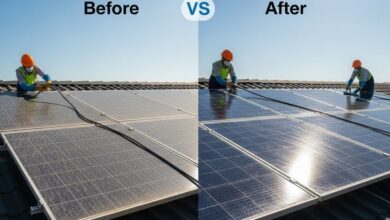
While occasional rain might wash away light debris, it is rarely effective in removing sticky bird droppings. Manual or mechanical cleaning by skilled personnel remains the most reliable method, especially in high-soiling environments.
7. Cost-Benefit Considerations
Investing in deterrents, coatings, or cleaning services may incur costs. Yet, for many solar owners, preventing performance losses and extending panel lifespan far outweighs these expenses. A properly maintained system consistently delivers higher energy yields, quicker payback on investment, and long-term savings.
Conclusion
Bird droppings may seem like a minor nuisance, but their impact on solar panel performance can be significant. From reduced energy generation and efficiency losses to long-term surface damage and increased maintenance, the consequences highlight the importance of proactive management. By understanding the issue and implementing effective maintenance and deterrent strategies, solar system owners can protect their investment, maintain optimal power production, and ensure their renewable energy systems perform at their best.