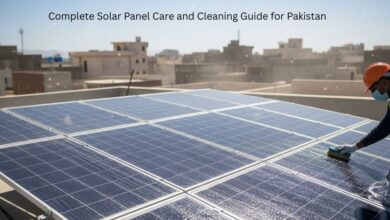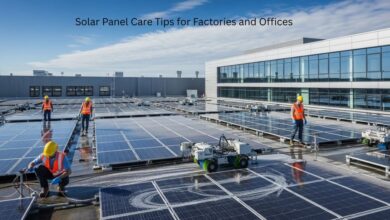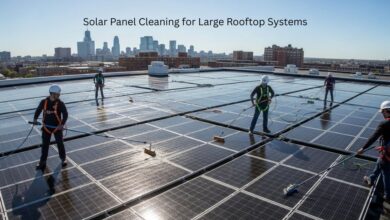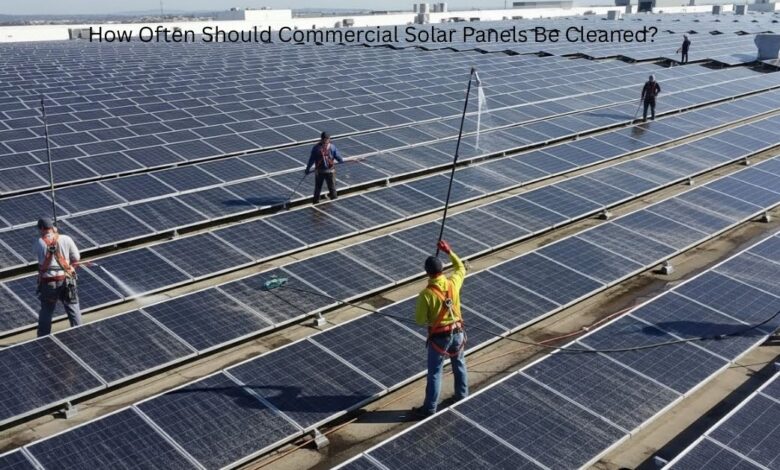
Commercial solar panels are a significant investment for businesses aiming to reduce energy costs and carbon footprints. While these systems are designed for durability and long-term performance, their efficiency can be significantly impacted by dirt, dust, and other debris. Understanding the optimal cleaning schedule for commercial solar panels is essential to maintain maximum energy production and extend the lifespan of the system.
Why Cleaning Commercial Solar Panels Matters
Unlike residential panels, commercial solar installations typically cover large rooftops or solar farms, which makes them more susceptible to dust, pollution, bird droppings, and other contaminants. Even a thin layer of dirt can reduce energy efficiency by up to 20%, leading to financial losses over time. Key reasons for regular cleaning include:
- Maximizing energy output: Clean panels allow sunlight to reach the photovoltaic cells without obstruction, ensuring optimal electricity generation.
- Protecting the panels: Accumulated dirt can cause hotspots or scratches during rainfall or wind, which may damage panels over time.
- Extending lifespan: Regular maintenance reduces wear and tear, helping panels operate efficiently for 25+ years.
- Compliance and warranties: Many commercial solar warranties require routine maintenance, including cleaning.
Factors Influencing Cleaning Frequency
The optimal cleaning schedule is not one-size-fits-all. Several factors can influence how often commercial solar panels need attention:
- Geographical Location
Panels in urban areas with high air pollution or near construction sites tend to accumulate dirt faster. Similarly, locations with frequent dust storms or pollen-heavy seasons may require more frequent cleaning. - Weather Conditions
Rainfall can naturally clean panels, reducing the need for manual cleaning. Conversely, arid regions with minimal rain may see significant dirt buildup. - Panel Tilt and Orientation
Steeper panels naturally shed dust and debris more efficiently than flat installations. Orientation towards prevailing winds can also influence accumulation patterns. - Local Wildlife
Bird droppings and nesting materials are common culprits that require immediate cleaning to prevent energy loss or surface damage. - Type of Contaminants
Sticky residues, algae, or sap may require specialized cleaning solutions and more frequent maintenance.
Recommended Cleaning Frequency
While there is no universal standard, industry experts generally recommend the following:
- Every 6 months: This is a common baseline for commercial systems in moderate climates or areas with occasional dust.
- Quarterly (every 3 months): Ideal for dusty or polluted urban environments, or for solar farms where panels are critical to high energy output.
- As needed: After events like storms, heavy pollen seasons, or significant bird activity.
Many commercial solar owners implement a combination of routine inspections and flexible cleaning schedules, monitoring panel performance to determine when cleaning is necessary.
Best Practices for Cleaning Commercial Solar Panels
To avoid damaging the panels and ensure maximum efficiency, follow these best practices:
- Use Soft Water and Non-Abrasive Tools
Avoid hard brushes or high-pressure washers that can scratch panels. Deionized water is recommended for streak-free results. - Schedule During Cooler Hours
Cleaning panels in early morning or late evening reduces the risk of thermal shock and water spots. - Hire Professional Services
Large rooftop systems often require trained professionals with proper safety equipment to clean panels efficiently and safely. - Regular Inspections
Monitor output regularly and inspect for dirt, damage, or shading issues. Digital performance monitoring can indicate when cleaning is overdue.
Cost vs. Benefit
Though cleaning incurs a cost, the financial benefits often outweigh expenses. Increased energy output from clean panels can result in significant savings, sometimes recovering cleaning costs within a few months. For commercial operations with high electricity consumption, even a small efficiency gain can translate into thousands of dollars annually.
Conclusion
The cleaning frequency of commercial solar panels depends on multiple factors, including location, weather, and panel orientation. While a general guideline is every 6 months, high-dust or urban environments may benefit from quarterly cleaning. Regular maintenance not only maximizes energy production but also protects your investment, ensuring that commercial solar systems remain efficient and long-lasting.
By combining proactive cleaning schedules with performance monitoring, businesses can secure the maximum return on investment and contribute to a sustainable energy future.