How Much Power Loss Is Caused by Dirty Solar Panels? – A Complete Guide

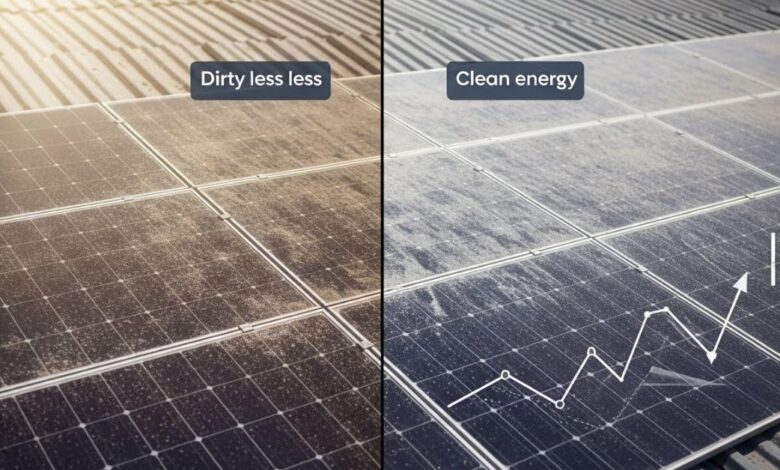
Solar power is one of the most sustainable and cost-effective sources of energy today. However, like any technology, solar panels perform best under optimal conditions. One often overlooked factor that impacts performance is panel cleanliness. This article explores how much power loss dirty solar panels can cause, why it matters, how it’s measured, and what you can do to prevent it — all in a clear, SEO-friendly format.
📌 What Happens When Solar Panels Get Dirty?
Solar panels generate electricity by absorbing sunlight through photovoltaic (PV) cells. Anything that blocks or reduces the amount of sunlight reaching these cells — such as dust, dirt, bird droppings, pollen, soot, and even heavy smog — directly affects the panel’s ability to generate power.
When panels get dirty:
- Less sunlight reaches the solar cells
- The output voltage drops
- System efficiency decreases
- Overall energy production diminishes
The degree of power loss depends on how dirty the panel is and environmental factors.
📉 How Much Power Loss Is Caused by Dirty Solar Panels?
Studies and field data consistently show that dirty panels can lead to significant power losses. While exact numbers vary by location and conditions, here’s a breakdown of typical losses:
| Condition | Estimated Power Loss |
|---|---|
| Light dust & debris | 3–5% |
| Heavy dust accumulation | 10–15% |
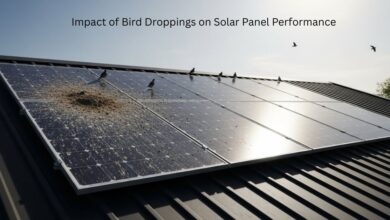
| Bird droppings & sticky debris | 15–25% |
| Industrial soot or agricultural dust | 20–30%+ |
🌞 Regional Variations Matter
- Dry, dusty climates — Higher loss due to frequent dust storms and low rainfall
- Urban/industrial areas — Dust, soot, and pollution cling more, increasing loss
- Rural agricultural zones — Pollen, soil dust, and fertilizer spray can cause buildup
In extreme cases, panels that haven’t been cleaned for months can experience losses exceeding 30% or more — especially in dusty, arid regions.
📊 Why Does Dirt Reduce Efficiency?
Solar panels are designed to absorb light. When dirt accumulates, it:
🔹 Shades the Panel Surface
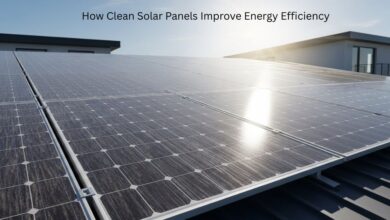
Even thin layers of dust act like a filter, reducing the light that reaches the cells.
🔹 Creates Hot Spots
Uneven soiling can cause parts of the panel to heat differently — leading to energy loss and potential long-term damage.
🔹 Reduces Transmission of Sunlight
Dirt scatters sunlight instead of allowing it to be absorbed efficiently.
📍 Scientific Evidence & Case Studies
1. Field Testing
Many solar installers and researchers track energy output before and after cleaning. A consistent pattern emerges:
- Panels cleaned regularly outperform dirty panels
- Solar farms in dusty regions may see power recoveries of 15–30% after cleaning
- Rooftop systems can see 5–15% gains depending on environment
2. Real-World Example
A solar installation in a desert climate monitored output over 6 months:
- Output dropped steadily due to dust buildup
- Rainfall restored performance slightly, but not completely
- Manual cleaning resulted in an 18% increase in energy production
These findings align with global observations from solar farms and residential systems.
🧪 How Power Loss Is Measured
Solar output can be tracked using:
- Inverter performance metrics
- Energy monitoring systems
- Irradiance sensors (measure sunlight hitting the panel)
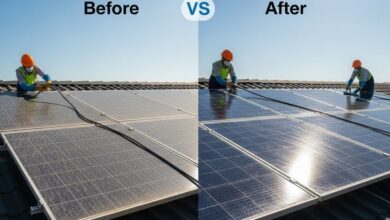
- Before-and-after cleaning comparisons
By comparing expected output (based on sun exposure) to actual output, installers quantify the impact of dirt and debris.
🧼 How Often Should Solar Panels Be Cleaned?
Cleaning frequency depends on the environment:
| Location Type | Recommended Cleaning Interval |
|---|---|
| Desert environment | Every 1–2 months |
| Urban areas | Every 3–4 months |
| Rural agricultural zones | Every 2–3 months |
| Areas with frequent rain | 2-3 times per year |
Rain can help wash away light dust, but it doesn’t remove sticky or heavy debris like bird droppings.
✅ Benefits of Regular Cleaning
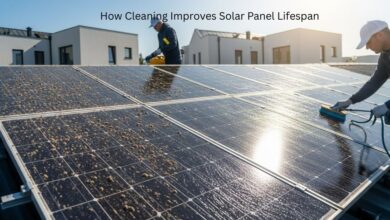
Regular cleaning not only improves power output but also:
✔ Extends panel lifespan
✔ Improves system reliability
✔ Reduces risk of hot spot damage
✔ Maximizes return on investment (ROI)
Even a small increase in energy production can significantly improve the financial performance of a solar system over time.
💡 Tips for Effective Cleaning
1. Safety First
- Always prioritize safety on rooftops.
- If the panels are on a high roof, consider professional cleaning.
2. Time of Day
- Clean early morning or late afternoon to avoid working on hot panels.
3. Use Gentle Tools
- Soft brushes or microfiber cloths
- Clean water (avoid abrasive cleaners)
4. Avoid Harsh Chemicals
- Use mild soap only if necessary, and avoid anything caustic that could damage the surface.
5. Check Tilt Angle
- Panels installed at higher angles self-clean better during rain.
🛠 Professional Cleaning vs. DIY
DIY Cleaning
✔ Lower cost
✔ Good for light dust
❌ May miss stubborn debris
❌ Safety risks on high rooftops
Professional Cleaning
✔ Thorough and safe
✔ Ideal for large or difficult installations
❌ Higher cost
❌ Scheduling may be needed
Many service providers offer seasonal plans, which can be especially useful for homes and businesses with large arrays.
📈 Impact on ROI and Performance
Dirty panels not only reduce energy production — they reduce revenue (for solar farms) and savings (for homeowners). A regular cleaning plan means:
- Higher annual output
- Faster payback period
- Better long-term performance
In many cases, the value gained from restored electricity production outweighs the cost of cleaning — especially for commercial systems.
📌 Summary: How Much Power Loss Dirty Panels Cause
| Condition | Expected Loss |
|---|---|
| Light dust | ~3–5% |
| Moderate dirt | ~10–15% |
| Heavy soiling | ~20–30%+ |
| Extreme buildup | Upwards of 30% |
Key takeaway: Dirty solar panels can significantly reduce energy production, sometimes by over 30% or more in extreme cases. Regular maintenance and cleaning improve performance, ROI, and system longevity.
🚀 Final Thoughts
Solar energy systems are a smart, sustainable investment — but achieving maximum performance requires attention to detail. Dirty solar panels are a silent efficiency killer that, if ignored, can cost you significant energy and money.
Whether you’re a homeowner or a solar farm operator, monitoring panel cleanliness and scheduling regular maintenance should be part of your solar strategy.