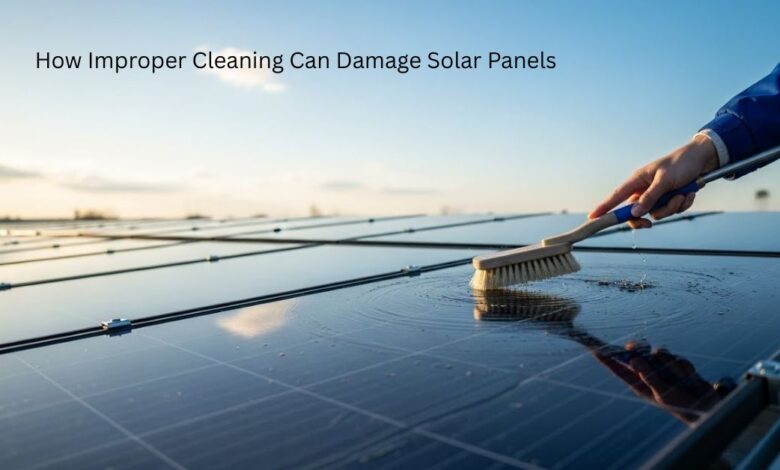
Solar panels are a significant investment for homeowners and businesses alike, offering clean energy and long-term savings on electricity bills. However, maintaining their efficiency requires regular cleaning and care. While cleaning solar panels might seem straightforward, improper methods can cause more harm than good. This article explores how incorrect cleaning practices can damage solar panels and how to avoid these costly mistakes.
Understanding Solar Panel Structure
Before diving into cleaning methods, it’s important to understand the basic structure of solar panels. Most panels consist of:
- Glass Surface: Protects the photovoltaic cells and allows sunlight to pass through.
- Photovoltaic (PV) Cells: Convert sunlight into electricity.
- Frame and Seals: Provide structural support and protection from environmental elements.
The glass surface is durable but delicate, and the PV cells beneath are sensitive to pressure, scratches, and water ingress. Knowing this helps explain why improper cleaning can cause permanent damage.
Common Improper Cleaning Practices
Several cleaning habits, often considered harmless, can actually harm your solar panels:
1. Using Abrasive Tools
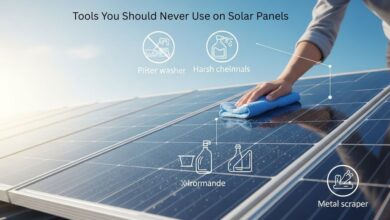
Scrubbing panels with rough brushes, metal scrapers, or scouring pads can scratch the glass. Even minor scratches reduce sunlight penetration, leading to decreased energy production. Over time, repeated abrasion can weaken the glass and compromise the panel’s integrity.
2. High-Pressure Water Jets
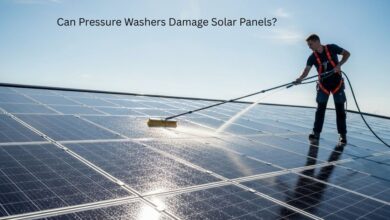
Pressure washers may seem like a quick solution, but they can force water into seals and electrical components. This can lead to short circuits, corrosion, or delamination of the panel layers. Manufacturers generally advise using low-pressure water or soft hoses for cleaning.
3. Harsh Chemicals or Detergents
Household cleaners, bleach, or acidic solutions can erode protective coatings and damage the panel’s surface. Using such chemicals may void the manufacturer’s warranty and reduce the lifespan of your solar panels.
4. Walking on Panels
Stepping on solar panels may appear harmless, but the weight and pressure can crack the glass or bend the frame. Even small fractures may worsen over time, reducing efficiency and potentially creating safety hazards.
5. Cleaning During Extreme Heat
Cleaning panels during the hottest part of the day can cause thermal shock. Pouring cool water on hot panels can lead to cracks in the glass or microfractures in PV cells, damaging the system permanently.
Consequences of Improper Cleaning
When solar panels are cleaned improperly, the consequences can be significant:
- Reduced Efficiency: Scratches, residue, or micro-damage reduce sunlight absorption.
- Electrical Damage: Water ingress or chemical exposure can short-circuit cells.
- Physical Damage: Cracks or broken seals compromise durability.
- Voided Warranty: Using prohibited cleaning methods may void manufacturer coverage.
- Higher Costs: Repairing or replacing damaged panels is expensive compared to preventive care.
Safe Cleaning Practices
To prevent damage, follow these best practices for cleaning solar panels:
- Use Soft Tools: Microfiber cloths, soft sponges, or soft-bristled brushes work best.
- Gentle Water Pressure: Use a hose with low water pressure or a bucket of water.
- Mild Soap: Only use a small amount of non-abrasive, biodegradable soap if necessary.
- Cool Temperatures: Clean panels during early morning or late evening to avoid thermal shock.
- Professional Assistance: Consider hiring certified solar panel cleaners for hard-to-reach or delicate panels.
Conclusion
Proper cleaning of solar panels is essential to maintain efficiency and extend their lifespan. Improper techniques—such as abrasive scrubbing, harsh chemicals, or high-pressure washing—can cause permanent damage, reduce energy output, and increase maintenance costs. By understanding safe cleaning methods and taking preventive precautions, you can ensure your solar panels remain effective for decades while protecting your investment.