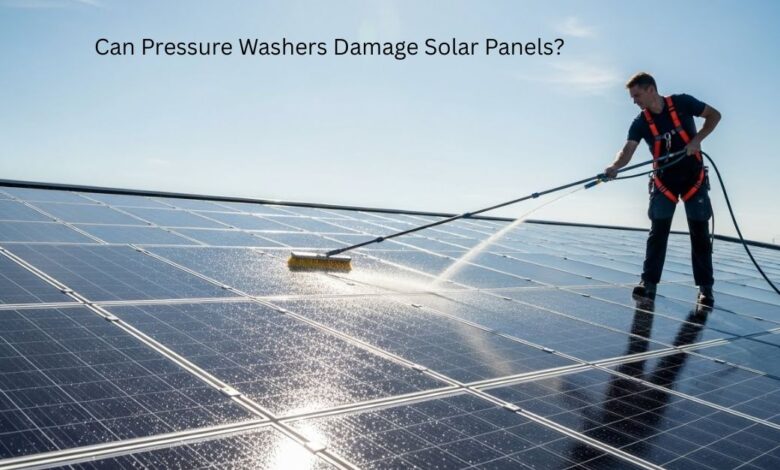
Solar panels are a significant investment for homeowners and businesses alike, offering long-term savings on energy bills while contributing to a sustainable lifestyle. To ensure they operate efficiently, regular cleaning is essential. However, some people wonder whether using a pressure washer to clean solar panels is safe. This article explores the risks, benefits, and best practices for cleaning solar panels to help you make an informed decision.
Understanding Solar Panels and Their Vulnerability
Solar panels are made up of delicate photovoltaic (PV) cells protected by a layer of tempered glass. While this glass is tough and resistant to minor impacts, it is not immune to damage. Excessive force or improper cleaning methods can compromise the panel’s integrity, leading to reduced efficiency or even permanent damage.
Key Components That Can Be Affected:
- Glass Surface: While tempered glass is strong, extremely high-pressure water jets can cause micro-cracks or chips.
- Seals and Edges: The seals around the panels prevent water from entering. High pressure can weaken or damage these seals.
- Mounting Hardware: Pressure washers can sometimes dislodge or loosen bolts and brackets if used carelessly.
Risks of Using Pressure Washers
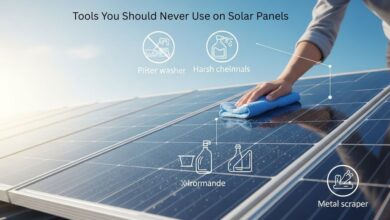
Pressure washers can be powerful tools, capable of removing tough dirt, grime, and debris. However, using them on solar panels carries several risks:
1. Surface Damage
The high-pressure water stream can scratch the glass or remove protective coatings, leading to long-term efficiency loss.
2. Water Infiltration
Water forced into the edges or seals of the panels can cause internal damage, corrosion, or short circuits.
3. Electrical Hazards
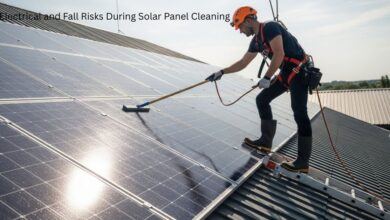
Solar panels generate electricity whenever they are exposed to sunlight. Improper use of water near live panels can pose a risk of electrical shock.
4. Warranty Issues
Many solar panel manufacturers explicitly warn against using high-pressure washers. Damage caused by improper cleaning may void your warranty.
Safer Alternatives for Cleaning Solar Panels
Fortunately, there are safer ways to keep solar panels clean without risking damage:
1. Soft Brushes and Squeegees
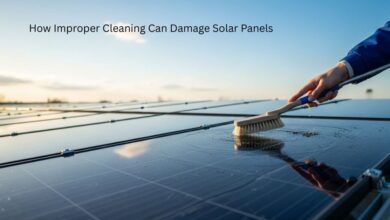
Use a long-handled soft brush or a squeegee to remove dust, bird droppings, and debris. This method is gentle and reduces the risk of scratches.
2. Low-Pressure Water Hose
A standard garden hose with a gentle flow of water is usually sufficient for most cleaning tasks. Early morning or late evening cleaning reduces the risk of rapid water evaporation and streaking.
3. Mild Detergents
If panels are particularly dirty, use a mild, non-abrasive detergent mixed with water. Avoid harsh chemicals that can degrade the panel surface or frame.
4. Professional Cleaning Services
Hiring professionals ensures your panels are cleaned safely. Experts have specialized equipment and techniques to maximize efficiency without causing damage.
Tips for Safe DIY Solar Panel Cleaning
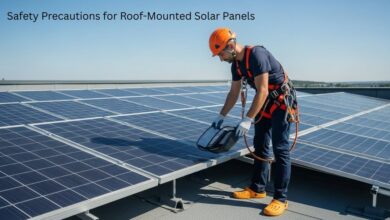
If you choose to clean your solar panels yourself, follow these precautions:
- Always turn off the solar system before cleaning.
- Avoid walking on panels to prevent cracks or dislodging.
- Use a soft cloth, brush, or sponge instead of abrasive materials.
- Avoid high-pressure water streams; low-pressure rinse is safest.
- Clean panels during cooler hours to prevent thermal shock.
Conclusion
While pressure washers are effective for many cleaning tasks around the home, they are generally not recommended for solar panels. The risk of cracking, water infiltration, and voiding warranties outweighs the benefits. Gentle cleaning methods using low-pressure water, soft brushes, or professional services are far safer and help maintain your panels’ efficiency and lifespan.
Maintaining clean solar panels ensures optimal energy production and protects your investment. By avoiding high-pressure cleaning and adopting safe methods, you can enjoy the full benefits of solar energy for years to come.