Maximizing Solar Efficiency & Longevity Through Strategic Maintenance
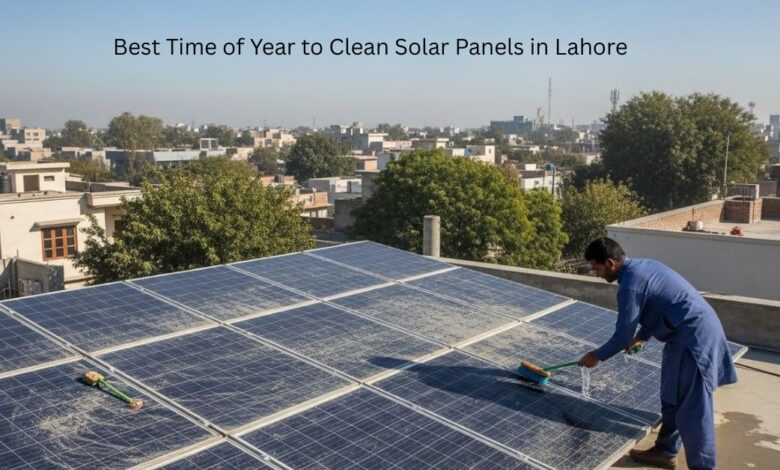
Solar energy adoption in Lahore has been steadily increasing as homeowners and businesses seek sustainable and cost-effective power solutions. While installing high-quality solar panels is essential, maintaining them—especially cleaning—is equally vital. Dust, bird droppings, smog, and seasonal weather patterns in Lahore can significantly impact the efficiency of solar systems if panels are neglected. This article explores the best times of year to clean solar panels in Lahore, backed by local climatic insights, practical tips, and a seasonal maintenance guide.
Why Cleaning Solar Panels Is Important
Solar panels are designed to absorb sunlight and convert it into electricity. However, any layer of dirt, dust, or debris reduces their ability to capture sunlight, thereby affecting energy output. The key reasons to clean panels include:
- Maximizing energy production
- Extending system life
- Protecting warranties
- Preventing permanent staining
Each of these factors can significantly impact long-term savings and performance.
Lahore’s Climate & Its Impact on Solar Panels
Understanding Lahore’s climate helps determine optimal cleaning windows:
- Hot and dry summer (May–September): Frequent dust storms and high heat increase dust accumulation.
- Monsoon season (July–September): Heavy rain can wash away dirt, but also bring stubborn grime.
- Winter (December–February): Lower dust levels but increased air pollution and smog can coat panels.
These seasonal variations make timing crucial for effective panel cleaning and maintenance.
Best Times of the Year to Clean Solar Panels in Lahore
1. Early Spring (March–April)
✔ Ideal time after winter smog:
Winter in Lahore often brings smog and haze, which leaves a persistent film on solar panels. Early spring offers clear skies and milder temperatures—perfect for cleaning.
✔ Benefits:
- Removes winter-accumulated grime
- Prepares panels for peak solar production in summer
- Lower cleaning effort due to moderate dust levels
2. Just Before Monsoon (Late June–Early July)
✔ Prepare before heavy rains hit:
While monsoon rains can naturally wash some dirt away, they also leave mud splashes and mineral stains once they dry. Cleaning just before the rains ensures panels start the season free of debris.
✔ Benefits:
- Reduces mud and mineral residue buildup
- Optimizes panel efficiency during rainy months
- Saves time later
3. Post-Monsoon Cleanup (October)
✔ Best time after rainy season:
Rainwater often brings a mixture of silt and sticky dirt. Once the monsoon ends and weather cools slightly, cleaning panels helps restore efficiency quickly.
✔ Benefits:
- Removes stubborn post-rain grime
- Prepares panels for dry winter months
- Improves performance before decreased winter sunlight
4. Optional Winter Cleaning (January)
✔ When smog levels are high:
Lahore experiences heavy air pollution in winter that settles on panels as a fine film. A mid-winter cleaning can help if smog has significantly reduced power output.
✔ When to skip:
Avoid cleaning on extremely cold or foggy days; focus on clearer, milder winter mornings.
Tips for Effective Solar Panel Cleaning
Best Practices
- Use soft brushes or sponges: Avoid abrasives that scratch the surface.
- Mild, phosphate-free detergent: Helps remove sticky residues without damage.
- Water savings: Use minimal water or reclaimed water responsibly.
- Clean during cooler hours: Early morning or late afternoon prevents quick drying and streaks.
Safety First
- Avoid climbing on roofs without proper safety gear.
- Consider professional cleaning services—especially for multi-story properties or complex installations.
Frequency Matters
Although the best times of year guide major annual cleanings, short light cleanings every 2–3 months may further improve output, especially in dusty seasons.
Signs Your Solar Panels Need Cleaning
Even with a schedule, certain conditions signal immediate attention:
🔹 Visible dust layers or bird droppings
🔹 Drop in energy production without technical faults
🔹 After dust storms or heavy smog events
🔹 Noticeable shading or dark streaks on panel surface
Conclusion
In Lahore’s unique climate, strategic timing is key to maintaining solar panel efficiency. The best periods to clean panels are:
- Early Spring (March–April)
- Just Before Monsoon (Late June–Early July)
- Post-Monsoon (October)
- Optional Winter Cleaning (January)
By aligning cleaning with seasonal patterns, you ensure maximum sunlight capture, higher electricity generation, and longer system life, all while reducing long-term costs.