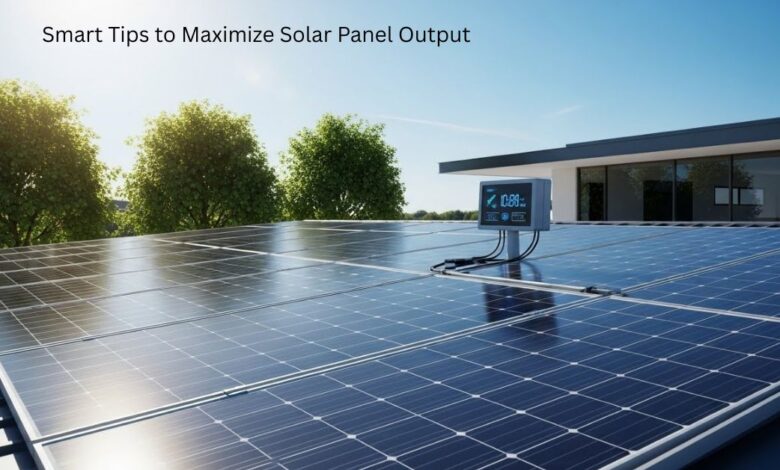
Solar energy has become an increasingly popular solution for reducing electricity bills and promoting sustainability. However, simply installing solar panels does not guarantee optimal performance. To get the most out of your solar investment, you need to actively manage and maintain your system. Here are smart tips to maximize solar panel output effectively.
1. Optimal Placement and Angle
The placement and tilt of solar panels significantly affect their energy production. Panels should be installed where they receive maximum sunlight throughout the day, free from shading caused by trees, buildings, or other obstructions.
- Angle: The tilt angle should match your geographic latitude for maximum sunlight capture.
- Orientation: In the northern hemisphere, panels should generally face south, while in the southern hemisphere, they should face north.
Proper placement ensures that solar panels operate at peak efficiency year-round.
2. Regular Cleaning
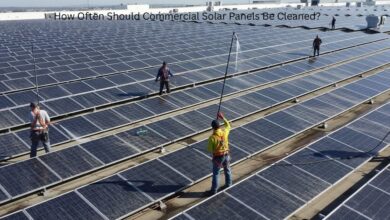
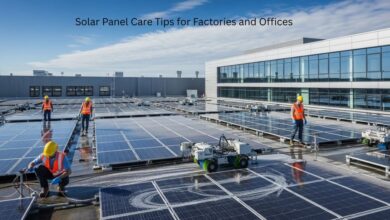
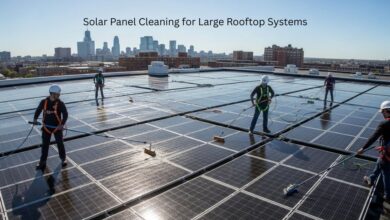
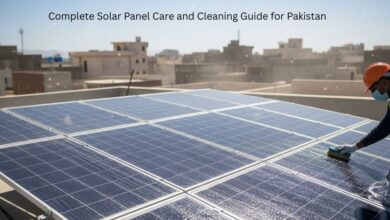
Dust, dirt, bird droppings, and other debris can reduce solar panel efficiency by up to 25%. Regular cleaning helps maintain maximum energy output.
- Frequency: Clean panels every 2-3 months or more often in dusty areas.
- Method: Use soft brushes, mild soap, and water. Avoid abrasive materials to prevent damage.
Automating cleaning with robotic cleaners can be beneficial for large installations.
3. Monitor System Performance
Modern solar systems often come with monitoring apps that provide real-time energy production data. Regularly tracking your system helps detect underperformance early.
- Check inverter readings: Ensure the inverter is working properly.
- Identify drop in output: Sudden drops can indicate shading issues, dirt accumulation, or equipment faults.
Monitoring allows proactive maintenance and ensures consistent energy generation.
4. Trim Surrounding Vegetation
Trees and plants can grow over time, casting shadows on your panels and reducing efficiency. Regularly trimming branches around the solar installation prevents shading.
- Seasonal checks: Especially in spring and summer when foliage grows quickly.
- Consider future growth: Plan placements to avoid potential shading from future tree growth.
This simple step can prevent significant energy losses over time.
5. Optimize Energy Usage
Maximizing solar output also involves smart energy consumption. Use energy-efficient appliances and schedule high-energy tasks during peak sunlight hours.
- Time your appliances: Run dishwashers, washing machines, or water heaters during the day.
- Energy storage: Pair your system with batteries to store excess energy for nighttime use.
Efficient energy use reduces dependency on the grid and enhances overall savings.
6. Regular Maintenance and Inspection
Routine maintenance ensures that all components, from panels to inverters, operate smoothly.
- Inspect panels: Check for cracks, discoloration, or corrosion.
- Check wiring: Loose or damaged connections can reduce performance.
- Professional maintenance: Schedule annual inspections by certified technicians.
Proper upkeep extends the lifespan of your solar system and maintains high energy production.
7. Invest in High-Quality Components
The quality of panels, inverters, and mounting systems plays a significant role in energy output.
- High-efficiency panels: Advanced technology panels capture more sunlight.
- Reliable inverters: Ensure accurate conversion of DC to AC electricity.
- Durable mounts: Strong mounting systems withstand weather conditions, maintaining proper orientation.
Investing in quality components is a long-term strategy for maximizing output and reliability.
8. Use Solar Tracking Systems
For larger installations, solar tracking systems can increase energy production by up to 25-30%. These systems adjust the panel’s angle throughout the day to follow the sun’s path.
- Single-axis trackers: Follow the sun from east to west.
- Dual-axis trackers: Adjust both tilt and orientation for maximum sunlight exposure.
Though more expensive, trackers provide higher efficiency for commercial setups.
Conclusion
Maximizing solar panel output requires a combination of smart installation, regular maintenance, and intelligent energy use. By following these tips—optimal placement, regular cleaning, performance monitoring, vegetation management, efficient energy usage, professional maintenance, high-quality components, and possibly solar trackers—you can ensure your solar system delivers the highest possible return on investment. A well-maintained solar installation not only saves money but also contributes to a greener, more sustainable future.