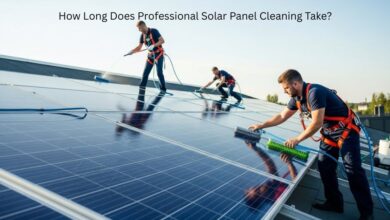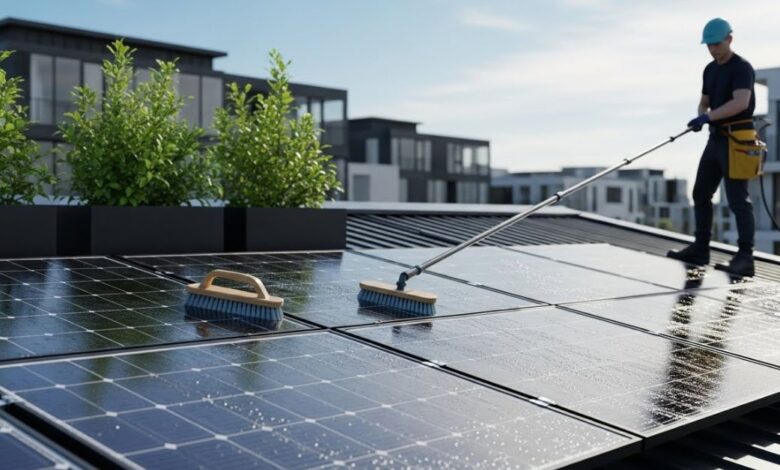
As solar energy continues to grow as a clean and sustainable power source, maintaining solar panels becomes essential to ensure optimal performance. Over time, dust, bird droppings, pollen, and environmental pollutants accumulate on solar panels, reducing their efficiency by blocking sunlight. While cleaning solar panels is vital, using harmful chemical cleaners or high-pressure water can damage the panels and negatively impact the environment. This article explores eco-friendly solar panel cleaning methods that are safe, effective, and sustainable.
Why Solar Panel Cleaning Matters
Solar panels are designed to capture sunlight and convert it into electrical energy. When dirt accumulates on the surface, it creates a barrier that limits sunlight absorption. Studies reveal that soiling can reduce energy output by up to 30% or more, depending on the environment. Regular cleaning helps:
- Maximize energy production
- Prolong panel lifespan
- Maintain warranty standards
- Optimize return on investment (ROI)
However, efficiency shouldn’t come at the environment’s expense. Eco-friendly cleaning ensures panels stay clean without harming local ecosystems or water resources.
Principles of Eco-Friendly Solar Panel Cleaning
Before diving into specific methods, it’s essential to understand the core principles of green cleaning:
1. Use Biodegradable Cleaning Agents
Avoid harsh chemicals such as ammonia, bleach, or acidic solutions. Choose cleaners that break down naturally and are non-toxic to wildlife and soil.
2. Minimize Water Waste
Water scarcity is a global concern. Practicing water-efficient cleaning protects valuable resources and prevents runoff that may carry contaminants into local drains.
3. Eliminate Electrical Hazards
Always prioritize safety. Ensure the solar system is turned off and follow recommended practices to prevent electric shocks or equipment damage.
Top Eco-Friendly Solar Panel Cleaning Methods
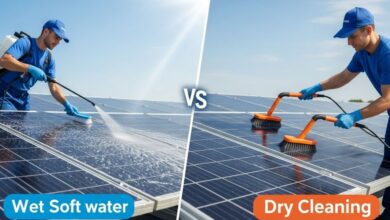
1. Soft Brushing with Deionized Water
What It Is
This method uses a soft-bristled brush combined with deionized (DI) water — water that has had minerals and ions removed.
Why It’s Eco-Friendly
- DI water is free from chemicals and minerals that could leave stains.
- Soft brushes prevent scratches on the panel surface.
- Minimal water usage compared to high-pressure systems.
Best Practices
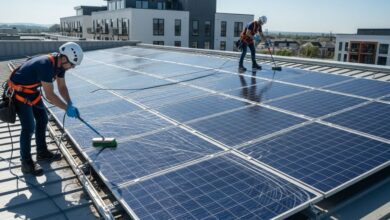
- Use a long-handled brush for rooftop panels.
- Rinse the brush regularly to avoid re-depositing dirt.
- Clean during cooler parts of the day (early morning or evening).
2. Solar Panel Cleaning Kits
What It Is
Specialized kits include water-fed poles with soft brushes and nozzle heads designed for solar panels.
Eco Benefits
- Designed to use low volumes of water efficiently.
- No detergents needed; relies on mechanical action and clean water.
- Easy to use without professional help.
Tips for Use
- Choose brushes labeled “safe for solar panels.”
- Use gentle pressure to avoid damaging the panels.
3. Rain-Assisted Cleaning
What It Is
Using natural rainfall to wash panels, possibly with occasional manual touch-ups.
Eco Benefits
- Zero water consumption from external sources.
- No cleaning agents required.
- Ideal for regions with frequent, gentle rain.
Limitations
- Ineffective after heavy duststorms or sticky residues like bird droppings.
- Best supplemented with manual cleaning when necessary.
4. Solar Panel Cleaning Robots
What It Is
Automated robotic cleaners designed specifically for photovoltaic (PV) systems.
Why It’s Green
- Reduce labor and ensure consistent cleaning schedules.
- Often use minimal water, and some are completely water-free.
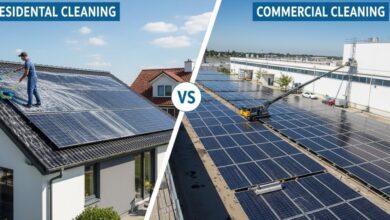
- Suitable for large solar farms where manual cleaning is impractical.
Considerations
- Upfront cost may be higher, but long-term ROI can be significant.
- Choose robots with energy-efficient operations.
5. Eco-Friendly Cleaning Solutions
What to Look For
Cleaning agents made from biodegradable and plant-based ingredients such as:
- Vegetable-derived surfactants
- Natural citrus extracts
- Organic degreasers
Benefits
- Safe for panel coatings and surrounding environments.
- Break down naturally without toxic residues.
How to Use
- Dilute per manufacturer instructions.
- Apply using low-pressure spray systems.
- Rinse with DI water to prevent streaks.
When to Clean Your Solar Panels
Timing matters. Clean panels when:
- Output drops noticeably compared to prior days
- After heavy duststorms or pollen seasons
- Seasonal changes happen (e.g., after winter snow melt)
- Panels are visibly dirty
For best results, aim for at least two cleanings per year in moderately dusty regions, and more frequently in high-dust or agricultural areas.
Safety Tips for Solar Panel Cleaning
Always prioritize safety:
- Turn off the solar system before cleaning.
- Use non-slip shoes and secure ladders.
- Avoid cleaning during peak sunlight or extreme heat.
- For rooftop systems, consider professional assistance.
Conclusion
Maintaining clean solar panels is crucial for maximizing energy output and extending system life. Choosing eco-friendly cleaning methods not only preserves panel performance but also protects the environment and conserves precious water resources. By using soft brushes, biodegradable solutions, rain-assisted cleaning, or automated tools, you can keep your solar installation operating at its best — without compromising sustainability.