Solar energy has rapidly grown into one of the most sustainable, cost-effective sources of power for homeowners and businesses alike. However, like all investments, solar panels require regular upkeep to maintain peak performance. One essential aspect of this maintenance is solar panel cleaning, and understanding what affects its cost can help you plan wisely and maximize your system’s efficiency.
In this article, we’ll explore the key factors that influence the cost of solar panel cleaning. Whether you’re a homeowner considering professional services or a business owner managing a large solar array, this guide will help you make an informed decision.
1. Size of the Solar Panel System
A primary factor in solar panel cleaning costs is the total size of the solar array. The larger your system, the more surface area there is to clean — and the more time and resources it takes.
- Residential Systems: Typically have fewer panels, resulting in lower cleaning costs.
- Commercial or Industrial Installations: Larger arrays require more labor, tools, and time, increasing the total cost.
💡 Tip: When requesting quotes, ask for per-panel pricing and total system estimates for easy comparison.
2. Location and Accessibility
Where your solar panels are installed significantly impacts cleaning costs:
Roof Type and Height
- Panels on steep or high roofs require specialized safety equipment and training.
- Single-story homes are usually cheaper to service than multi-story buildings.
Ground vs. Roof Mount
- Ground-mounted panels are easier and faster to reach — lowering labor costs.
- Rooftop systems often need additional safety measures.
Geographical Region
- Rates may vary based on the local cost of living and competition among service providers.
3. Degree of Soiling
Not all solar panels get dirty at the same rate. The amount and type of dirt affect how long it takes to clean them:
- Light Dust and Pollen – Quick to remove; minimal cost impact.
- Heavy Stains or Bird Droppings – Requires more time and possibly special cleaning solutions.
- Industrial Soot or Hard Water Deposits – Challenging to clean; increases labor and material costs.
👉 The more soiled your panels are, the more intensive the cleaning process becomes — which typically translates to higher charges.
4. Cleaning Method Used
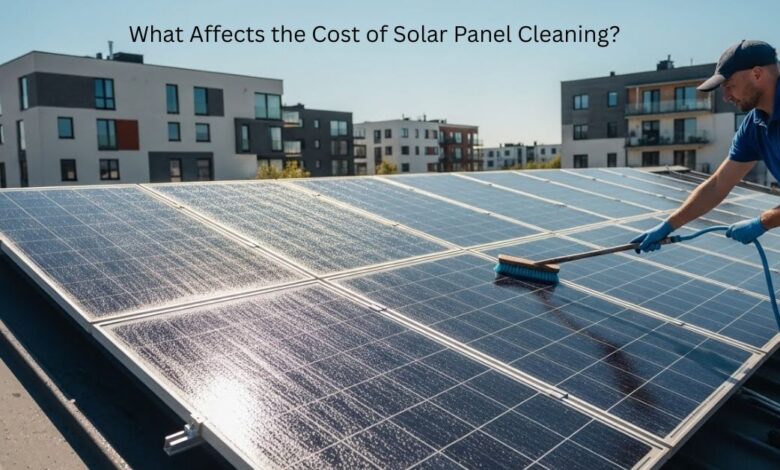
Solar panel cleaning can be done in several ways, and the technique chosen affects pricing:
Standard Water Rinse
- Uses water and soft brushes.
- Affordable and effective for light dirt.
Deionized Water Cleaning
- Removes mineral residue without streaks.
- More costly due to specialized equipment.
Robotic Cleaning
- Ideal for large commercial setups.
- Higher up-front cost but can reduce long-term labor expenses.
Pressure Washing
- Caution: Only suitable under controlled settings.
- Unsafe high pressure can damage panels, leading to extra repair costs.
5. Frequency of Cleaning
Regular maintenance often leads to cost savings:
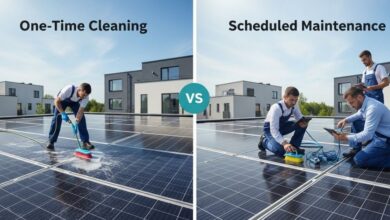
- Routine Cleaning Contracts: Some companies offer discounted rates for quarterly or annual plans.
- One-Time Services: Usually cost more per visit since there’s no commitment.
💡 Pro tip: Regular cleanings help maintain energy output and reduce the need for deep cleaning, saving money over time.
6. Experience and Reputation of the Cleaner
Highly trained professional services often charge more, but you get what you pay for:
- Certified Technicians: Better understanding of safety standards and panel care.
- Insured Services: Protects you against liability for accidental damage.
Always check credentials and ask for references to ensure quality work.
7. Additional Services or Repairs
Sometimes cleaning reveals hidden issues:
- Loose wiring
- Micro-cracks in panels
- Damaged mounts or frames
Service providers may offer inspection or minor repairs during cleaning, which could increase the final bill but improve overall system performance.
8. Seasonal Factors and Weather Conditions
Weather plays a role too. For example:
- Rainy seasons or dusty winds can increase soiling.
- Scheduling during mild weather often makes cleaning easier and less costly.
During extreme weather periods, some cleaners may charge a premium for safety and efficiency.
Conclusion
Solar panel cleaning is a crucial part of maintaining your solar energy system’s efficiency and longevity. Understanding the elements that affect cleaning costs — from system size and location to soiling levels and cleaning techniques — empowers you to plan effectively and protect your investment.
Whether you choose routine professional services or DIY approaches, always prioritize safety, quality, and value. After all, clean solar panels produce more power — and more savings — for years to come.