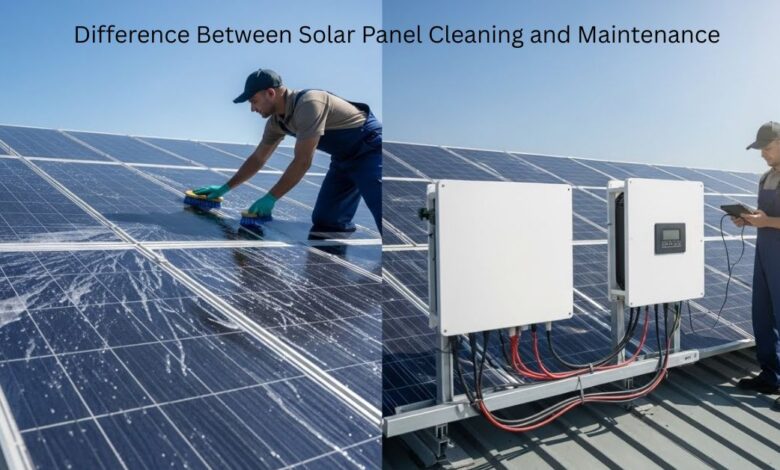
Solar energy systems are designed to work efficiently with minimal intervention, but one important factor that directly affects their performance is cleanliness. Dust, dirt, bird droppings, pollen, and pollution can build up on solar panels over time, reducing their ability to absorb sunlight. This raises a common and important question: how often should solar panels be cleaned?
In this article, we’ll explore the ideal cleaning frequency, factors that influence cleaning needs, and best practices to keep your solar panels performing at their best.
Why Solar Panel Cleaning Matters
Solar panels work by capturing sunlight and converting it into electricity. When the surface is covered with dirt or debris, less sunlight reaches the solar cells, which can lead to energy losses of 5% to 30%, depending on environmental conditions. Regular cleaning helps:
- Maintain optimal energy output
- Extend the lifespan of solar panels
- Protect your investment and improve return on investment (ROI)
- Detect early signs of damage or wear
General Recommendation: How Often Should Solar Panels Be Cleaned?
For most residential and commercial solar systems, cleaning once or twice a year is generally sufficient. However, this is only a basic guideline. The actual cleaning frequency depends on your location, climate, and surrounding environment.
Standard Cleaning Schedule
- Residential solar panels: Every 6 to 12 months
- Commercial or industrial systems: Every 3 to 6 months
- Large-scale solar farms: Monthly or quarterly, depending on conditions
Factors That Affect Solar Panel Cleaning Frequency
1. Location and Climate
If you live in a dry, dusty, or desert area, solar panels may need cleaning every 2 to 3 months. In contrast, regions with regular rainfall may require less frequent cleaning, as rain can naturally wash away light dust.
2. Air Pollution and Smog
Urban and industrial areas often experience higher levels of air pollution. Soot and grime can settle on panels, making quarterly cleaning more effective in maintaining performance.
3. Bird Activity
If your solar panels are installed near trees, buildings, or power lines where birds gather, bird droppings can become a serious issue. These droppings are not only hard to remove but can also cause hot spots. In such cases, inspect panels monthly and clean as needed.
4. Seasonal Changes
- Spring: Pollen buildup may require additional cleaning
- Autumn: Falling leaves and dust can block sunlight
- Winter: In snowy regions, snow usually slides off, but occasional checks are still important
5. Tilt Angle of Panels
Panels installed at a steeper angle tend to stay cleaner because rainwater can wash away debris more easily. Flat or low-tilt installations often need more frequent cleaning.
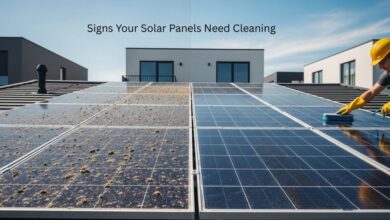
Signs Your Solar Panels Need Cleaning
Instead of relying only on a fixed schedule, watch for these warning signs:
- Noticeable drop in energy output
- Visible dirt, dust, or stains on the panel surface
- Uneven shading caused by debris or bird droppings
- Alerts from your solar monitoring system
If you see any of these signs, it’s best to clean the panels regardless of the last cleaning date.
DIY Cleaning vs Professional Cleaning
DIY Cleaning
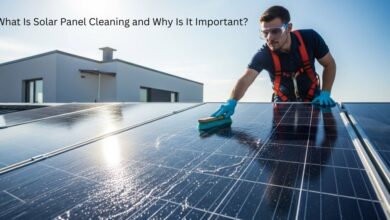
Homeowners can clean solar panels using:
- Soft brushes or sponges
- Clean water (preferably deionized)
- Mild, non-abrasive soap
Avoid harsh chemicals, pressure washers, or abrasive tools, as these can damage the panels.
Professional Solar Panel Cleaning
Professional services are recommended for:
- Rooftop or hard-to-reach installations
- Large commercial systems
- Areas with heavy soiling or stubborn stains
Professionals use specialized equipment and safety measures to ensure effective and damage-free cleaning.
Does Rain Clean Solar Panels?
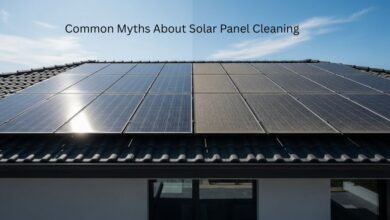
Rain can help remove light dust, but it is not a substitute for proper cleaning. Sticky substances like bird droppings, pollution residue, and oily dirt often remain even after heavy rainfall. Relying solely on rain may lead to gradual efficiency loss over time.
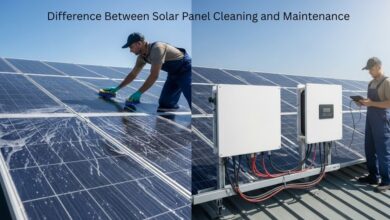
Best Practices for Solar Panel Maintenance
- Inspect panels visually every 1–2 months
- Monitor energy output regularly
- Clean panels during early morning or evening to avoid heat stress
- Schedule professional inspections at least once a year
Final Thoughts
So, how often should solar panels be cleaned? For most systems, cleaning once or twice a year is enough, but environmental factors may require more frequent attention. Regular inspections, monitoring performance, and timely cleaning ensure your solar panels operate at maximum efficiency throughout their lifespan.
By following the right cleaning schedule and maintenance practices, you can protect your solar investment and enjoy consistent, long-term energy savings.